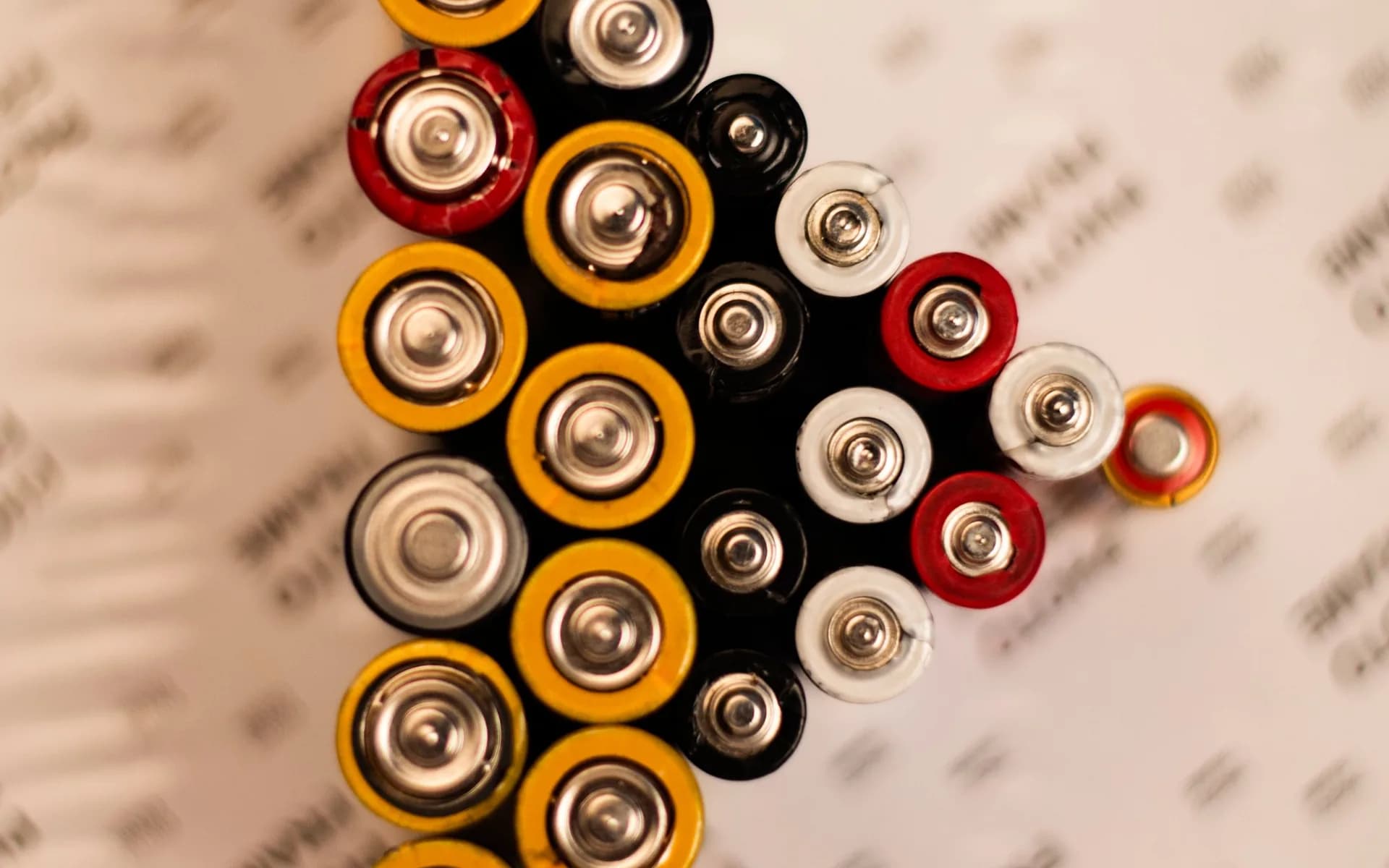
Small tonnages, tight specifications, high stakes.
Industry 16 / 16
Lithium & Advanced Materials
Lithium carbonate, hydroxide and other lithium salts, nickel, cobalt and manganese sulphates, tungsten compounds, fluorides and specialty reagents for battery, cathode, magnet, optics, electronics, catalyst and laboratory users across India.
In batteries, optics and technical ceramics, a few parts per million of sodium, iron or moisture can change how a material performs. Assay, impurity profile and particle size matter as much as the chemical name. We supply lithium salts, battery metal sulphates, tungsten compounds and fluorides with the grade confirmed against your specification before quoting, and the manufacturer's COA with every batch.
- Products for this industry
- 35
- Product groups
- 16
- From categories
- 7
- With every batch
- COA & SDS
Where advanced materials begin
From cathode powders to optical coatings, these materials start as carefully specified inorganic salts. Here are the five families we supply and the jobs they do.
Lithium salts
The lithium in cathodes, greases and desiccants
Lithium carbonate feeds LFP cathodes, glass-ceramics and glazes, and lithium hydroxide feeds high-nickel cathodes and lithium greases. Lithium acetate is a soluble lithium source for materials synthesis, lithium chloride works as a liquid desiccant and in lithium metal production, and lithium bromide charges absorption chillers.
- 01
Lithium salts
The lithium in cathodes, greases and desiccants
Lithium carbonate feeds LFP cathodes, glass-ceramics and glazes, and lithium hydroxide feeds high-nickel cathodes and lithium greases. Lithium acetate is a soluble lithium source for materials synthesis, lithium chloride works as a liquid desiccant and in lithium metal production, and lithium bromide charges absorption chillers.
- 02
Battery metals
Nickel, cobalt, manganese and lead for cells
Nickel, cobalt and manganese sulphates are co-precipitated into mixed hydroxide precursors for NMC cathodes, then lithiated and calcined. Potassium hydroxide is the electrolyte of alkaline and nickel-based cells, while lead oxide and litharge go into lead-acid battery paste, supplied for permitted industrial uses under the applicable rules.
- 03
Tungsten & zirconia
Hard metals, catalysts and high-temperature ceramics
Tungsten trioxide is reduced to tungsten powder for carbides and heavy alloys, and also serves electrochromic films and DeNOx catalysts. Tungstic acid and sodium tungstate are precursors for other tungstates and oxidation catalysts. Zirconium oxide goes into technical ceramics and refractories, and ferro boron supplies boron for NdFeB magnets.
- 04
Optics & electronics
Fluorides, iodides and carbonates for light and signal
Magnesium fluoride forms anti-reflective coatings on lenses, and calcium fluoride serves optical crystals and windows for ultraviolet and infrared. Ammonium fluoride buffers oxide etch in semiconductor processing, sodium iodide is the base of scintillation crystals, and barium and manganese carbonates feed dielectric ceramics and soft ferrites.
- 05
Reagents & catalysts
Fluxes, oxidants and precursors for synthesis
Lithium tetraborate fuses rock, cement and ore samples into glass beads for XRF analysis. Sodium periodate cleaves diols selectively in pharma and cellulose chemistry, magnesium nitrate and copper oxide go into catalyst preparation, magnesium bromide is a Lewis acid reagent, and guanidine nitrate is a gas generant for airbag inflators.
What a lithium & advanced materials plant buys from us
Scroll through our product groups for this industry. The number on each tile is how many products we list in it.
- Products
- 35
- Groups
- 16
- Lithium Carbonate
- Lithium Hydroxide
- Sodium Tungstate
- Tungsten Trioxide
- 9SpSpecialty Inorganics
- 6CcChromium, Copper, Cobalt, Nickel, Manganese & Zinc Compounds
- 5CiCalcium, Magnesium & Aluminium Compounds
- 3LcLead Compounds
- Specialty Inorganics & Chemical Intermediates
- Inorganic Salts & Metal Compounds
Products buyers ask us for most
01What is battery-grade lithium carbonate?
Battery-grade lithium carbonate is material made for cathode production, usually at least 99.5% Li₂CO₃ with tight limits on sodium, calcium, magnesium, sulphate and other impurities, plus controlled particle size and moisture. Technical grade, around 99%, allows several times more of those impurities and suits glass, ceramics, glazes and lithium salt production. There is no single global standard, so share your cathode specification and we confirm grade and make before quoting.
02What is pCAM, and which salts go into NMC cathode precursors?
pCAM, or precursor cathode active material, is the mixed nickel-manganese-cobalt hydroxide that becomes an NMC cathode. Nickel, cobalt and manganese sulphates are dissolved in the target ratio, such as 8:1:1 for NMC811, and co-precipitated with sodium hydroxide and ammonia in a stirred reactor that controls particle size and density. The dried precursor is then mixed with lithium hydroxide or carbonate and calcined. Sulphate purity carries straight through to the cathode.
03Why is lithium tetraborate used as an XRF fusion flux?
Lithium tetraborate melts with oxide samples into a homogeneous glass bead, removing the particle size and mineral effects that make pressed-powder XRF less accurate, and its light elements add little to the measured spectrum. Tetraborate suits basic samples rich in calcium, magnesium or iron oxides. It is often blended with lithium metaborate, for example 66:34 for limestone and cement, while metaborate-rich blends dissolve silica-rich samples. Match the flux ratio to your method.
04Sodium tungstate, tungstic acid or tungsten trioxide: which tungsten compound do I need?
Choose by the form your process needs. Sodium tungstate is water-soluble, so it suits solution chemistry: oxidation catalysts with hydrogen peroxide, corrosion inhibitors and making other tungstates. Tungstic acid is insoluble in water but dissolves in alkalis and ammonia, making it a precursor for ammonium tungstates and catalysts. Tungsten trioxide is the stable oxide that is reduced to tungsten metal powder and used in electrochromic films, DeNOx catalysts and ceramic pigments.
One partner for 16 industries
- 01Paints & CoatingsPigments, binders, driers, additives
- 02Printing InksPigments, resins, solvents
- 03Plastics, Polymers & RubberStabilisers, modifiers, waxes
- 04ConstructionPolymers, silanes, admixture salts
- 05Adhesives & SealantsBinders, silanes, tackifiers
- 06Paper & BoardBinders, wet-end chemicals
- 07Water & WastewaterProgrammes, coagulants, biocides
- 08Oil & GasScavengers, brines, drilling aids
- 09PharmaceuticalsExcipients, intermediates, solvents
- 10Food & NutritionAcids, preservatives, minerals
- 11Personal CareEmulsifiers, actives, preservatives
- 12Home Care & DetergentsSurfactants, builders, actives
- 13Agriculture & FertilisersPhosphates, nitrates, chelates
- 14Glass, Ceramics & MetallurgyBorates, fluorides, ferro alloys
- 15Leather & TextilesChromium salts, oxidants, auxiliaries






Tell us what your next batch needs.
Product, grade or make, quantity and delivery location are enough. We confirm the specification before we quote, and every batch ships with the manufacturer's COA and SDS.